podcast-image.jpg
edd9164d216c19945bea55d0825befe1a07fdae5.jpeg

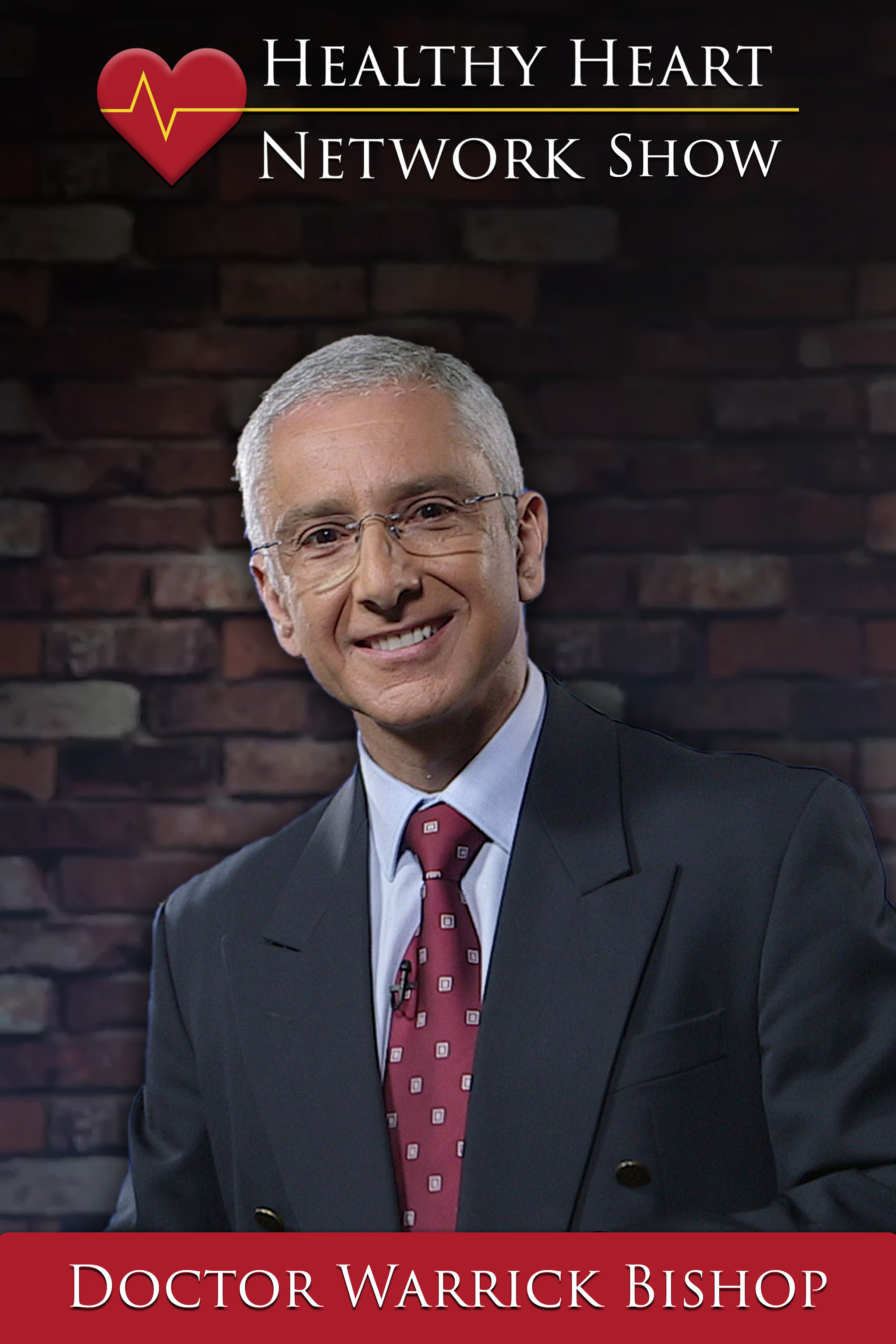
Welcome to my podcast. I am Doctor Warrick Bishop, and I want to help you to live as well as possible for as long as possible. I’m a practising cardiologist, best-selling author, keynote speaker, and the creator of The Healthy Heart Network. I have over 20 years as a specialist cardiologist and a private practice of over 10,000 patients.

Podcast Summary

Introduction

Dr. Warrick Bishop is a practicing cardiologist and author dedicated to improving patient care through heart health education. In this episode, he addresses the critical topic of managing and preventing heart disease in young people who have experienced cardiac events. Dr. Bishop emphasizes the importance of extending rehabilitation beyond the individual patient to include family screening and prevention, sharing compelling clinical experiences that underscore why familial risk assessment is a matter of life and death.

Key Takeaways

  • Early heart events should prompt patients to ask whether the condition could affect family members, as this is a crucial step in closing the gap between rehabilitation and prevention.

  • High cholesterol often runs in families and is genetic; relatives of patients with high cholesterol should be screened, particularly siblings and children.

  • A family history of early heart attacks or heart problems in men under 55 or women under 60 (without major confounding risk factors) is a significant red flag requiring action.

  • Precision imaging of the heart arteries can provide valuable risk stratification for family members without prior cardiac events, allowing for early intervention.

  • Smoking behavior is often inherited within families; patients who smoke and have had heart problems should encourage their loved ones to quit.

  • Propensity toward diabetes and obesity tends to run in families and should be addressed early through weight management, as losing small amounts of weight preventatively is far easier than managing severe obesity later.

  • High blood pressure is familial and directly increases the risk of heart attack, stroke, heart failure, and atrial fibrillation; early detection and treatment in family members can prevent long-term circulatory damage.

  • Prevention through family screening and lifestyle modification is significantly more effective than treating advanced cardiac disease.


Join The Healthy Heart Network

Transcript English

Welcome to Dr. Warrick's podcast channel. Warrick is a practicing cardiologist and author with a passion for improving care by helping patients understand their heart health through education. Warrick believes educated patients get the best health care. Discover and understand the latest approaches and technology in heart care and how this might apply to you or someone you love. Hi, my name is Dr Warrick Bishop and I'd like to welcome you to my podcast and videocast station. Today I'd like to talk about a really important subject which is what do I do if I've been affected with heart attack or problems related to my heart arteries at a young age. This is a really important issue and it's something that I've become personally more and more interested in. and more passionate about as I have progressed through my career. I believe that part of rehabilitation, part of taking an individual through their process of recovery from a heart-related event, is to ask the important question, if it's happened to you, could it happen to someone in your family? This is really, really important. In my own practice now, I do a fair bit of imaging of the heart before people have had problems. And this is a way to be more precise about risk. Well, I've found patients who've had very high risk features on their imaging and we've put in place appropriate structures and plans and medications and surveillance to make sure nothing bad happens to them. And I've turned around to these individuals and said, look, Please get your family checked. I've had three situations now where individuals have come back and said, my brother had a heart attack. My sister died. And I had one situation where I spoke to a woman and said, perhaps your partner should be checked. to have that partner unfortunately pass away from a heart attack before they came to see me. So closing that loop, going from rehab to prevention and caring for the rest of your family is incredibly important. Well, what are the things you can do? Check your cholesterol and if it was high, get your family, your sibs, brothers and sisters and your kids to check their cholesterol. Is there a family history within the family? Are there men less than 55 years of age or women less than 60 years of age who are not heavy smokers or have other major risk enhancers who have had heart attacks or heart problems? Very, very important. So get cholesterol checked. It can run through families and it is genetic. close relatives haven't had a problem that perhaps they explore more precision around risk stratification and risk assessment and imaging or taking pictures of the health of the heart arteries can be really really valuable for that. That's an area of specialty that I'm familiar with and there's lots of information on my website about imaging the heart. I'm sad to say that you also have to look at the family for not only in genetically inherited conditions but you also have to look at the family for inherited behaviours and unfortunately smoking runs through families. So if you are a smoker you've had problems with your heart please talk to your loved ones about quitting smoking if they do. A genetic trait that runs through families is a propensity to diabetes or even obesity and more often than not these are people who carry weight around the middle. Certainly there's an opportunity to be proactive in that space and try and mitigate the risks of really developing full-blown diabetes or becoming morbidly obese but you've got to start early. It's much easier to lose one or two kilograms when you're a bit heavy than it is to lose 20 or 30 kilograms when you're so far overweight that it's hard to know even where to start. One of the other things that's really important is hypertension. High blood pressure does run through families. We see it. And it's very important that if you have high blood pressure and you've had problems with your arteries, that you raise exactly the same issue with your loved ones, with your family. Let them know that they should get their blood pressure checked. It's such a big deal. Blood pressure is directly linked to increased risk of heart attack, increased risk of stroke. development of cardiac failure and development of atrial fibrillation. But if we can get people early, we can actually treat the blood pressure and prevent the detrimental effects it has on the circulation over a long term. So there's a brief summary really of the sort of things that I think are so important to really close the loop of rehabilitation and roll it into who else? could be at risk. I hope that this has made a bit of sense to you. I hope that it's inspired you to get up and shake the rest of your family and make sure that they're being properly looked after because there's no question that prevention is better than cure when it comes to heart attack. If you have any queries or questions please drop us a note at members at Dr Warrick. dot online if you have any suggestions for future podcasts please or video cast please use the same address and let us know as always thank you for listening I hope you've got something from today's presentation and please till next time don't die from a heart attack goodbye You have been listening to another podcast from Dr. Warrick. Visit his website at drWarrickbishop.com for the latest news on heart disease. If you love this podcast, feel free to leave us a review.