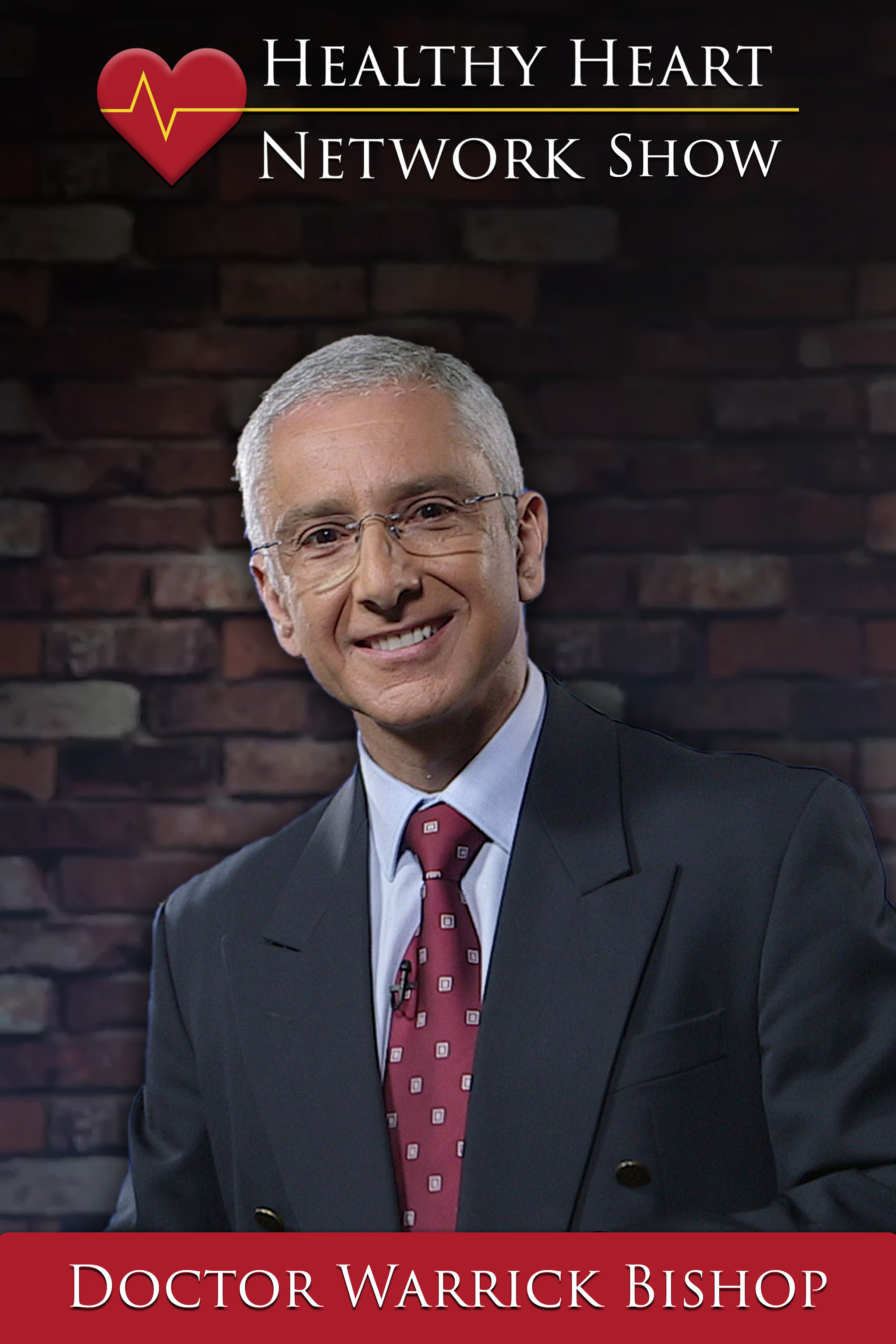
Hi, my name is Dr. Warrick Bishop, and thank you for joining me on my podcast and videocastation. Today, I've got a special guest all the way from Austin, Texas. It's Dr. Khan Quen, who I met only recently at a fantastic event where we were really looking to make plans for the future, and lo and behold, we sat together and realized that... Dr. Kahn is an expert in anti-aging medicine. It's something that I'm now very interested in, given that I've clicked over 60 years of age, and Dr. Kahn has been good enough to agree to speak with me today. Welcome, Dr. Kahn. How are you? Hi, I'm great. I'm so excited to be talking about what I'm really passionate about over the last almost 10 years. Well, I think most of the people listening would be aware that anti-aging medicine is very new. I don't really think it's something that's embedded in current mainstream medical practice because mainstream medical practice to a large degree has been reactionary. We wait until people get sick and then we try and fix them up. So tell me a little bit about your background. Dr. Khan, and how you moved into that anti-aging medicine space. Yeah. So briefly, I was raised in Vietnam and really looking up to my dad, who was a physician. And so luckily, at a very early age, I knew that that's what I wanted to do. And fast forward, I made it to the U.S., got accepted to medical school. gone through the traditional training and got trained in internal medicine and critical care medicine. And so I spent over 10 years in the hospital setting, ICU, really keeping people alive and feeling good about what I did. But then I realized people are coming back sicker with more, a longer list of medication. more operations, more procedures. And somewhere along the way, I got burnout. And I was driving home from a night shift and fell asleep behind the wheel. Luckily, you know, I didn't get hurt. Nobody got hurt. But that's kind of like a really wake-up call for me. And shortly after that, I got diagnosed with... uh grave disease which as you know is an autoimmune condition and it tends to act up when your immune system is now and so if i can jump in for a second there dr calm for those listening graves disease affects the thyroid gland and it makes the thyroid gland more active it reduce it produces more um thyroxine the hormone that the thyroid gland produces and it makes people We call it thyro-toxic. So toxic from the thyroid hormones, people will often lose weight. They'll be hot. They'll have an accelerated metabolism. And as Dr. Khan said, it's an autoimmune problem. Sorry to interrupt, but I just wanted to make sure people knew. Yeah, that's very helpful. And, you know, I almost went into thyroid storm, which is like the most severe kind of... complication of that and so I I was forced to take a pause to take care of myself and that's when I realized uh you know I I just switched to asking a different question uh instead of like why me and what is it the right diagnosis I'm like hmm Why? What caused it? Why is my body attacking my own? Right. And so that's kind of the start of my deep dive into alternative medicine, anti-aging, the things that we were not taught in medical school. And I was able to heal myself and I would just, you know, it's just eye opening. And I was able to now. bring all of that to my patient. And it's coming from a personal journey. And I'm just so convinced. And now it's instead of reactive medicine, like you said, instead of suppressing symptoms, I'm really, the question is, why? What are the root causes? How do we prevent or how do we go about treating the right way, you know, from the source and not just suppressing symptoms and then having to deal with treating the side effect of the medication that we give. And that has been so rewarding. It's been, you know, I have the privilege of using these knowledge to really transform so many lives. in the right way. So my own philosophy, and I think many of the people listening to my podcast are aligned with that idea of trying to be ahead of the game, not being reactive, but being prepared, being preventative, identifying issues before there's a problem. For years, I've been saying to people, you know, when it comes to hearts, for example, we often wait till there's a problem. Yet we would never do that with our car. If we had a car that we valued, we would get it serviced on a regular basis. We'd expect the mechanic to check the oil, the water, the fuel lines, the tyres, the brakes, so that we didn't have a breakdown. And so this idea of being... This idea of monitoring people closely makes perfect sense to me, Dr. Kahn. And what you're really talking about is probably what we would see with a car. I mean, I've got a Land Rover Defender 2.5 litre turbo diesel vehicle, which I've had serviced regularly. So that's 27 years old. Now, I know if I hadn't had it serviced on a regular basis, it wouldn't have lasted that long. And so by servicing a vehicle properly, by looking after people properly, we can extend that functional capacity, that span of usefulness. So tell me what sort of people are coming and seeing you, all sorts or people with illnesses looking for different help? Yeah. I see mainly healthy people that wanted to be, you know, optimized and be healthier and live longer. But the reality is a lot, almost everyone, they know that something is not right. But they'll keep on, you know, being told by, you know, traditional physicians that. it's just part of aging. You find there's nothing wrong with you. So then they would come to see me and they said, well, you know, I have low energy, brain fog, you know, poor memory, aches and pains, but there's nothing wrong with me, but I just want to feel better. However, now, you know, when we dig deeper, it's all these information, you know, low grade, high blood pressure, you know, poorly controlled sugar that, yes, they don't have diabetes, but that's way too late, right? And so, and then they have subclinical hypothyroidism. They have suboptimal hormones level that they are normal, but really they're not optimized. And so there's a lot of opportunity for me to optimize that. And people... feel much better within a short time. And, you know, and so it's eye-opening and it's kind of a switch in mindset and it's really looking for the early signs of, you know, insufficiency in... many different levels and to be proactive and to go after that before you get diagnosed with truly high blood pressure or coronary disease or hypertension, blah, blah, and so on. So this very much parallels what I do, Dr. Khan, in my own cardiology practice, I look to be imaging arteries, getting an idea of what the calcium score might be if there's calcium present and dealing. then with cholesterol levels, blood pressure levels, these sort of things to really mitigate the risk of heart attack. Because you can actually prevent heart attack if you can identify those people early enough and get the right therapy on board. So one of the things that I'm thinking as I'm listening to you is some of these changes in things like hormones. a bit like your heart just through age you get wear and tear but I'm imagining things like hormone levels through aging will naturally change because our hormone levels are probably peaking around our 20s to 30s and then probably decline so is there a raft of is that first of all true and then is there a raft of um testing that you tend to do before you start a journey with someone yeah So, you know, now we appreciate more and more that kind of like program aging, you know, throughout across our system. And we don't have to accept that. That's a big thing. Like, yes, you can accept aging and accept, you know, not feeling your best or you can be proactive and go after. all of that and optimizing that. And in terms of hormones, I think that is the foundation for us. You know, first lifestyle optimization is key for me. I go really deep in that. And then in terms of what I do, I would start people with like a comprehensive blood work. So that's kind of like a diagnostic for the car. And then I identify. and prioritize what, you know, should be optimized. And in terms of hormones, you're correct. I mean, it's kind of like the biggest mistake in modern medicine, how, you know, we really miss the boat. We don't address that. We were not taught that, but it's just profound. And it's an easy win if you optimize your hormones. Because you feel better and beyond that, you reduce the risk of dementia, depression, osteoporosis, heart disease, stroke, you name it. And so for me, it's a quick win when I educate patients and then if they're comfortable enough to move on with hormone replacement, that's where we gain trust because they feel better. I mean, it's like going back to how you used to feel in your youth like you can do anything you can conquer anything right and yes why not if we can get to that level again uh and you know it's all about doing things the right way monitoring correctly and get it to the not supra physiologic level but just to be optimized yeah okay well look for those listening um There's no question that almost all of us would be familiar with the importance of hormone replacement therapy for women in that perimenopausal period of their life. I think almost everyone will have had experience with someone they know themselves or word of mouth. But there's also issues for men, isn't there? There's a transition for men as their... testosterone levels drop off. And so maybe speak to that. Does that affect things like mood, strength, energy? Absolutely. How does that seem? Yeah. Luckily for men, I think, you know, most men are more proactive and there's more information out there than women. But in terms of men, we're still, you know, behind. in terms of like having men to get onto hormone replacement, meaning TRT, testosterone replacement, you know, when needed. And most of my patients, they come in with poor sleep, anxiety, low libido. But the biggest thing that bothers men, and I want to hear from yourself as well, the, the low drive for life, you know, like, like you feel overwhelmed, like, can I still do life? Can I still do that? And when I get them on, you know, hormone replacement and be optimized, it's nine days. It's like, yeah, I'm back. I can do life again. You know, I get myself out of bed. I don't have to drag out of bed. I don't feel exhausted by two o'clock. Right. And, and I think that's the thing that, most profound for men and women to get that drive to live and to be your best. And it's just so rewarding to see, you know, it's like, okay, I'm back, you know. Well, obviously from a completely selfish point of view and for the blokes listening, completely selfish point of view for them, if they're around my age, which is 60, I have to say, I don't have the same levels of energy. I used to have. I know my, and I'm due for my yearly blood. So I'm going to do them in the next month or so. But the last time I did them, my free testosterone is very mid range. A standard endocrinologist would say was absolutely fine. Wouldn't recommend anything at all. But what I'm sort of hearing from you is when you're talking about optimization. Average is probably not enough. An average for a 60-year-old bloke is actually not enough. You want it a little bit more. Do you want to speak to that momentarily? Yes. So it's a huge thing, you know, like the normal range, the normal range is normal for age, for that age group. But normal is different from optimized range. And so, you know, for men, to be specific. We know that testosterone level, for me, I want my men to be at least at or above 900 to about 1200. And this is like based on a huge data of men on testosterone replacement. And why around 900, 800, 900? Because that is where you're going to see the protection against heart disease, you know, stroke, dementia, depression. prostate cancer, you know, and so many things. And then within the range of optimization, this is where we get to be very personalized because we look at the level and I would ask my patient how you feel to figure out what is the optimal range for you. You know, because, you know, some, like I have men that, want to be at the highest possible without side effect. And I'm like, okay, I'm not going to let you go crazy, but at the top end of my normal range, and if that's where you feel the best, that's where you should be. And then there's men that are like, well, I just want to be feeling good, but I don't want to be somebody else. I don't want to be too aggressive. And, you know, then we go by how they feel. But the reality is most men always ended up moving higher. And the other thing is that, you know, I want people to be aware that at torsional replacement, it will optimize you. It will turn up the volume in you. Meaning, you know, if I give a bunch of mung. tactile replacement, they will compete among themselves to do good deeds. And if I give tactile replacement for a bunch of serial killers, then they, they will, you know, optimize their nature. But I'm, you know, I'm not going to turn you into somebody else. Yeah. Yeah. Okay. It's like a myth that people are afraid of. Okay. So a couple of quick questions. And what I'd like to do is just for those listening, because I think this is a fascinating area. Every year as we take a trip around the sun, all of us will become more and more interested in anti-aging and what we can do to maximize our health span. So if you're okay with it, Dr. Khan, I'm going to wrap this first podcast up fairly soon. And then potentially... open the possibility to a second podcast where we talk about some of the techniques. And in the third one, if you're absolutely okay with it, maybe use a 60-year-old male, someone like me, with a bit of a past history and talk through how that might look. So for those listening, stay tuned because I think this is going to be a fantastic series on anti-aging. But before we leave the hormone replacement therapy, Dr. Khan, Two questions. One is, do you look at other hormones outside of the sex hormones like thyroid, for example? Do you look at cortisol levels, for example? And when you use things like hormone replacement therapy for testosterone or even progesterone, estrogen for women, do people become dependent and therefore have to remain on that forever more? So there's two questions there, but interested in your comments. Yeah. So it's a great question. And, you know, the body is the traditional medicine. We separate, you know, there's a cardiologist, there's an endocrinologist, orthopedics. But in reality, our body is just like one system of multiple interconnected, you know, related system. So look at hormones alone. Sex hormone is just one piece of it. And as you already mentioned, I always look at, you know, thyroid, at the insulin system, cortisol system, and including vitamin D, which is a pro hormone as well. So that is kind of like the foundation. And it turns out, you know, almost 50% or more of men and women would have suboptimal thyroid function. Almost 90% of people have suboptimal vitamin D level. And this is like the population in Texas with, you know, the sun almost year round. Right. And, and those are the things that I would call the low hanging fruit because it's really important, but it's so easy to fix and it would be a miss to do. you know, other fancier stuff without fixing the foundation. And so I always, and that's why, you know, the first part is always to establish the baseline, you know, and optimize that. What's your, you know, B12, your D level, your magnesium, your thyroid, your cortisol system. cortisol dhda um so yes i i do look at that and then for women you know we uh also address progesterone and estrogen so women is always more complicated than men and clinically it does a bit longer to optimize women in terms of hormones than men men are easy like you know i can I can optimize and make people feel good within a very short time. Women, you know, six months, three to six months to really, you know, get them to be optimized. Okay. Yeah. Look, I'll speak to one last bit and then we'll look to maybe wrap this up and you're fine. We'll do a couple of follow-up podcasts because this is, I think, For those listening, this is just a fascinating space. But one of the things that you've alluded to is looking at multiple interventions simultaneously. And this is not standard in our normal medical model. It's really interesting. And I'll touch on it briefly because I had my own experience with this, or at least some thinking about it. And you can comment on it. I'd love you to. A number of years ago, obviously, well, not obviously, but I'm in the space of cardiology. But a number of years ago, I was busy researching what are the things that we can do for our old patients as they go through cardiothoracic surgery. Because what we were seeing were people who looked, you know, pretty good at 75 or 80 years of age. They'd have their surgery and they would. they would age a decade overnight. So they would be really knocked around by it. And the interesting thing, Dr. Kahn, was as I looked at the research, because of the process of research, many of the trials were looking at one aspect of intervention. One aspect being, say, protein diet. One aspect being growth hormone supplementation. being pre-exercise and it was funny because I was reading this at the time my son was 17 or 18 he was 110 teenage male he almost smelt of testosterone he ate like a horse and when he went out surfing he'd go for two to three hours at a time and I was reading all this research and he's standing behind me Really physically as powerful as you could imagine. And it occurred to me that he was, he had the recipe. He had the diet. He had the hormones. He had the exercise. He had the whole, had all the ingredients of the cake. And it occurred to me. If all you're doing is using eggs and seeing if you can make a cake, it might not work. If all you're doing is using flour, then your cake might not work. Yeah, yeah. That's obviously the way you think of it too. Absolutely. And so, you know, my background was in critical care medicine. So I have a taste of that because I'm kind of like the general manager and I would talk to cardiologists, nephrologists. neurologist because as cardiologists you only care for your zone right and then neurologist infectious disease and i'm in the middle i'm like okay we kind of like need to have everyone talk to each other and you know and and kind of make sure that everything uh agree or complement each other and not contradictory um and And now it's clearer and clearer. That's how it should be, right? It's not multiple isolated systems, but they all talk to each other. They all interconnected. And when you go after the foundation cellular pathway, then you can't help but address everything. Meaning if we address chronic inflammation. or if we address mitochondrial function or, you know, we optimize the microbiome, then so many things, like when you have poor gut, right? It's gut-brain, gut-heart connection leading to depression, malabsorption, cardiovascular disease, right? And so those are like the root cause. And if we go after that, we kind of... you know, can't help but address everything else. And I think that's how the body is designed to function. We're just not trained. We're just not looking at the right way or approach. You know, it's like the sick care system, you know, model instead of healthcare. Proactive. It's reactive, suppressing symptoms, wait for disease to show up and then put out fire. suppress the symptoms instead of okay what's the root cause where's the fire to put out instead of chasing after the smoke what are the signs that might suggest there could be a problem in the future and how can we avoid that i completely completely get that that's wonderful and it's easier it's more effective right yeah I mean, because I work in preventive cardiology, it's been an absolute joy to deal with well people and just keep them well, actually. It's far less stressful for them, far less stressful for me as well, actually. And you know you're making a difference because you're really avoiding these major challenges in people's lives, which is health, of course. Right. Right. Dr. Khan, what I'm going to do is wrap up now. For those listening, I really hope you've got something out of this. It's been an absolute pleasure for me to speak with Dr. Khan, who is the owner, manager, main physician at the Austin Regenerative Treatment Centre in Austin, Texas. We've talked about... anti-aging we've really just touched the top of the iceberg and what i'd like to do and i think dr khan's going to agree to this is come back and talk about some of the things that are available within that space what are the things we've touched on hormones but we're going to talk about some other stuff as well in our next podcast in the third podcast we might even talk about an old bloke who's about 60 years of age as a case study Could be someone who looks a little bit like me. And you might just get a feel for how Dr. Kahn would deal with someone in that space. I know you'll find it interesting. So tune in. Please share. Please check it out on YouTube as well. For now, I am going to wish you the very best. I do hope you live as well as possible for as long as possible. As always, if you have any queries or questions, drop us a note. Thank you for listening. I do appreciate your time. And Dr. Kahn, thank you so much for joining us. Thank you. That was a lot of fun. 100%.